
Designing a nursery that feels serene yet visually engaging poses a unique challenge for minimalist parents. In my experience, matte paper works much better than glossy for nursery walls because. Overcrowded walls can disrupt the room’s calm, while bare spaces risk missing the warmth that personalized art provides. Striking the perfect balance between simplicity and charm demands carefully chosen decor that sparks joy without overwhelming the senses. This article presents 10 adorable printable wall art ideas tailored specifically for minimalist nurseries-each piece thoughtfully crafted to complement clean lines and neutral palettes while adding subtle bursts of personality and comfort. By exploring these selections, readers will gain practical inspiration to elevate their nursery’s atmosphere, creating a nurturing environment that fosters both tranquility and delight for baby and caregiver alike.
How to Choose Color Palettes for a Minimalist Nursery Printable Wall Art
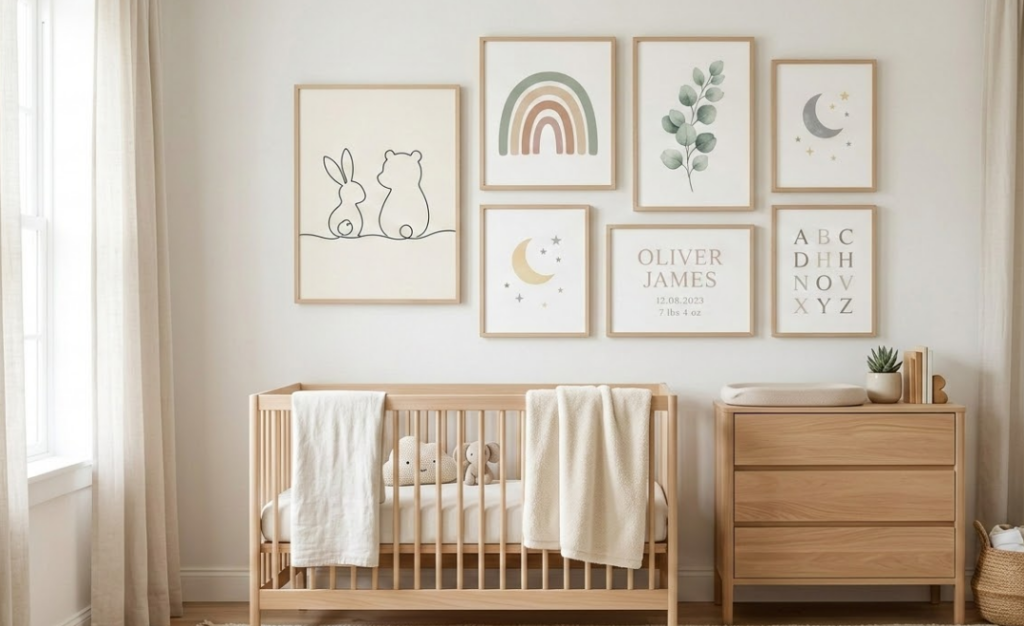
10 Adorable Printable Wall Art Ideas for a Minimalist Nursery
1. Single-Line Animal Silhouettes A continuous, elegant black line forming the shape of a bunny, bear, or elephant on a pure white or cream background. This offers high-contrast visual interest for the baby while maintaining a highly sophisticated, uncluttered look.
2. Muted Earth-Tone Rainbow Arches Move away from bright primary colors and opt for a simple, three-arch rainbow using colors like sage green, warm beige, and dusty rose. It adds a subtle pop of color and warmth without dominating the room.
3. Gentle Typography Affirmations Short, sweet quotes like “You are so loved,” “Let them be little,” or “Dream big” in a soft, flowing script or a clean serif font. Placed in a minimalist frame, it brings a nurturing emotional layer to the space.
4. Soft Watercolor Botanical Sprigs A minimalist eucalyptus branch, a single fern leaf, or a delicate olive sprig rendered in muted greens. This brings a calming touch of the outdoors inside, perfectly complementing natural wood furniture.
5. Abstract Celestial Shapes A minimalist arrangement of a crescent moon and tiny, scattered stars in soft greys or pastel yellows. It evokes a peaceful, sleepy atmosphere ideal for a nursery environment.
6. Custom Birth Typography A personalized print featuring the baby’s first initial, full name, and birth details (date, time, weight) arranged cleanly with plenty of negative space. It serves as both minimalist art and a cherished keepsake.
7. Minimalist Alphabet Grids The ABCs displayed in a modern, sans-serif font using a monochromatic palette or subtle, alternating neutrals. It subtly introduces early educational elements without looking like a traditional classroom poster.
8. Geometric Sunbursts A minimalist half-sun or abstract sunrise using warm terracotta, mustard, or soft peach tones. It adds a cozy, optimistic feel to the room while adhering to clean, geometric lines.
9. Subtle Counting Dots A visually pleasing, organized grid of 1 to 10 simple dots, triangles, or tiny hearts in gradient shades of a single color. It introduces numbers softly and acts as a modern piece of abstract art.
10. Delicate Black and White Sketches A simple, minimalist sketch of a dandelion blowing in the wind or a delicate wildflower. High-contrast black and white images are excellent for a newborn’s developing eyesight and fit perfectly into a monochromatic minimalist theme.
Use the following table as a quick reference to balance color choices for minimalist nursery art:
| Base Color | Accent Option | Emotional Tone |
|---|---|---|
| Soft Grey | Misty Rose | Calm & Cozy |
| Warm Beige | Sage Green | Natural & Grounded |
| Cream White | Powder Blue | Light & Airy |
Top Themes for Adorable and Simple Nursery Wall Prints
Step-by-Step Guide to Customizing Printable Wall Art for Personal Touches
Begin by selecting a printable wall art design that resonates with your nursery’s minimalist theme-think soft colors, simple shapes, or gentle typography. Open the file in a graphic editing tool like Adobe Illustrator, Canva, or even free software like GIMP.
This allows you to tweak elements such as color palettes, font styles, and sizes to better match your nursery’s color scheme and personal preferences. Don’t hesitate to introduce subtle motifs, like tiny stars or leaves, that echo the nursery’s ambiance while keeping the overall design uncluttered.
Next, personalize the art with meaningful details that add warmth and individuality. Incorporate your baby’s name with a carefully chosen font that complements the minimalist style-consider handwritten or serif fonts for a soft yet elegant look. You can also add birth details, such as weight, date, or time, in a smaller, understated line beneath the main design. If you want to include a quote or phrase, keep it concise and balanced within the composition. Use alignment tools to maintain symmetry and harmony in these additions, ensuring the art remains visually soothing.
Before printing, review the resolution and color modes to guarantee the best output quality. Export your file in a high-resolution PDF or PNG format, optimized for the printer you’ll use-ideally one supporting vibrant but muted tones to preserve the minimalist effect. When printing at home, select heavyweight matte paper to avoid glare and enhance texture. If opting for a professional print shop, communicate your paper choice and finish preferences clearly. Finally, frame your customized printable art in simple frames-white, natural wood, or black-to keep the focus on your lovingly tailored design.
Optimizing Print Quality: Best Paper and Resolution Settings for Nursery Art
When it comes to achieving sharp, vibrant nursery art prints, the choice of paper is as crucial as resolution. For minimalist nursery designs, opt for matte heavyweight paper-typically 200-300 gsm-which provides a smooth finish to enhance subtle colors and delicate lines without glare. Matte textures also prevent fingerprints, making them ideal for nurseries where little hands might explore. Alternatively, premium cotton rag paper adds a soft, archival quality that elevates the artwork’s tactile feel, perfect for prints meant to last through years of childhood and beyond.
Resolution settings should be carefully calibrated to balance detail with print speed and file size. For crisp edges and fine details in nursery illustrations, a resolution of 300 dpi (dots per inch) is the industry standard, offering optimal clarity while ensuring color accuracy. If the artwork contains intricate patterns like tiny stars or delicate linework, you might consider pushing the resolution slightly higher to 350 dpi, especially for smaller prints under 12×12 inches. Keep in mind that resolutions above 350 dpi generally offer diminishing returns and exponentially larger file sizes.
| Paper Type | Recommended Weight | Finish | Best For |
|---|---|---|---|
| Matte Heavyweight | 200-300 gsm | Non-glossy, smooth | Subtle colors & minimal glare |
| Cotton Rag | 250-350 gsm | Soft, textured | Archival quality & tactile feel |
| Fine Art Paper | 300 gsm+ | Textured, slightly rough | Depth and character in prints |
Creative Framing and Display Ideas to Enhance Minimalist Nursery Prints
Minimalist nursery prints thrive when their simplicity is amplified through thoughtful framing choices. Opt for sleek, thin frames in matte black, white, or natural wood tones to maintain the serene vibe while adding just enough structure to draw the eye. Floating frames can elevate the art by adding subtle depth, giving the impression that the prints are gently suspended rather than confined. For a softer touch, consider frames with a linen or textured matting to introduce an understated tactile element without overpowering the delicate design.
Beyond traditional framing, creative display arrangements can transform a single print into a captivating focal point. Grouping multiple smaller prints in a grid or asymmetrical cluster invites visual interest and storytelling, encouraging exploration while preserving the minimalist ethos. Alternatively, use magnetic or clip frames to enable easy swapping as your child grows, fostering a dynamic and evolving gallery that keeps the nursery fresh and inspiring. Incorporate narrow wooden ledges to lean prints against the wall, allowing for flexible styling and layering with small decorative objects like succulents or minimalist toys.
To keep your minimalist nursery wall art both stylish and functional, consider these display ideas:
- Monochromatic frames: Create harmony by matching frame color with nursery accents.
- Neutral-toned mats: Soften edges and add subtle contrast through beige, cream, or soft gray mats.
- Layered displays: Use ledges or shelves to mix prints with three-dimensional décor for depth.
- Rotating gallery: Install clip frames or magnetic boards to easily refresh the artwork.
- Minimalist hangers: Employ wooden or leather straps for an organic, artisanal feel.
Incorporating Educational Elements into Printable Wall Art for Early Learning
Integrating subtle educational cues into nursery wall art transforms decorative elements into early learning tools. Opt for prints that feature basic concepts such as the alphabet, numbers, or geometric shapes, but presented with a soft, minimalist aesthetic that complements the nursery’s soothing atmosphere. For instance, a simple set of pastel-colored letters or a row of stylized animal silhouettes can stimulate recognition skills without overwhelming the senses.
Color choice plays a pivotal role in cognitive development, so selecting artwork that uses contrasting yet gentle palettes encourages visual tracking and differentiation. Incorporate prints that introduce foundational vocabulary through imagery paired with words-think “sun,” “moon,” or “leaf”-to foster early language acquisition. This creates a dual-purpose art piece that nurtures both curiosity and comprehension, all while maintaining a clean, uncluttered look.
Consider these educational elements for your nursery art:
- Simple counting sequences with dots or icons
- Basic shape outlines with names subtly displayed
- Minimalist maps or nature-inspired motifs labeled for early geography awareness
- Soft color gradients that teach color blending and contrast
| Element | Educational Benefit | Design Tip |
|---|---|---|
| Alphabet Blocks | Letter recognition | Use muted tones, clean lines |
| Number Dots | Counting skills | Arrange in playful patterns |
| Shape Trio | Shape identification | Label with subtle typography |
Budget-Friendly Tips for Sourcing and Printing High-Quality Nursery Wall Art
When aiming to keep costs low without sacrificing style, start by exploring reputable online platforms that offer free or low-cost printable nursery art. Websites like Etsy, Creative Market, and even independent artists’ sites often feature minimalistic designs tailored for nurseries. To maximize your budget, prioritize purchasing digital downloads over physical prints; this eliminates shipping fees and gives you the flexibility to print multiple sizes or on different materials at home or through local print shops.
For printing, consider investing in high-quality cardstock or matte photo paper, which enhances the look of minimalist art without expensive framing. Local print shops or office supply stores often have budget-friendly bulk printing options, especially for standard sizes like 8×10 or A4. Additionally, using ink-saving settings on your printer or opting for black-and-white prints can significantly reduce ongoing costs without compromising aesthetic appeal.
Smart sourcing and printing hacks include:
- Joining online art communities or newsletters to access exclusive discounts and freebies.
- Using downloadable vector files that can be resized without losing quality, cutting down on the need for multiple purchases.
- Repurposing thrifted frames with a fresh coat of paint or matte spray to elevate the overall presentation at a fraction of the retail price.
These strategies ensure that your nursery walls are adorned with charming, high-quality art that fits both your minimalist vision and your wallet.
Balancing Minimalism and Warmth: Expert Advice on Nursery Wall Art Composition
Q&A
1. What styles of printable wall art suit a minimalist nursery without overwhelming the space?
Choose designs that emphasize simplicity, such as monochrome line drawings, soft pastel shapes, or subtle nature motifs like single leaves or abstract clouds. Avoid intricate patterns or bold colors that can disrupt the calm, airy aesthetic typical of minimalist nurseries.
2. How can I ensure the printables complement existing nursery decor while keeping the minimalist vibe?
Match the color palette of your printables with the nursery’s dominant tones, usually neutral shades or muted pastels. Opt for cohesive themes-like geometric animals or gentle typography with inspiring words-so the art feels integrated rather than an afterthought.
3. What materials and framing options enhance the look of printable wall art in a minimalist nursery?
Use high-quality matte paper to reduce glare and maintain softness. Select simple frames in natural wood, white, or black with clean lines to reinforce minimalism. Floating frames or frameless acrylic mounts can also add a modern, elegant touch without visual clutter.
Summary of Recommendations
Choosing printable wall art for a minimalist nursery is more than a decorative decision-it shapes the early environment where your child’s imagination and sense of calm begin to take root. To elevate your selection beyond aesthetics, consider the interplay of color psychology and developmental impact. Soft, muted tones not only complement minimalist design but also create serene atmospheres conducive to restful sleep and focused play. Integrate prints that subtly introduce shapes, textures, or gentle narratives to engage a growing mind without overwhelming the senses. For lasting versatility, opt for high-resolution digital files that can be resized or refreshed as your child’s tastes and developmental stages evolve. This forward-thinking approach ensures your nursery remains both a sanctuary of simplicity and a nurturing space that adapts alongside your little one’s journey.

Renato, founder of Printmebaby. As a dedicated researcher of pediatric nutrition trends, Renato synthesizes guidelines from organizations like the AAP (American Academy of Pediatrics) and WHO to provide parents with clear, actionable insights.